
Built on one rule: say only what we can stand behind.
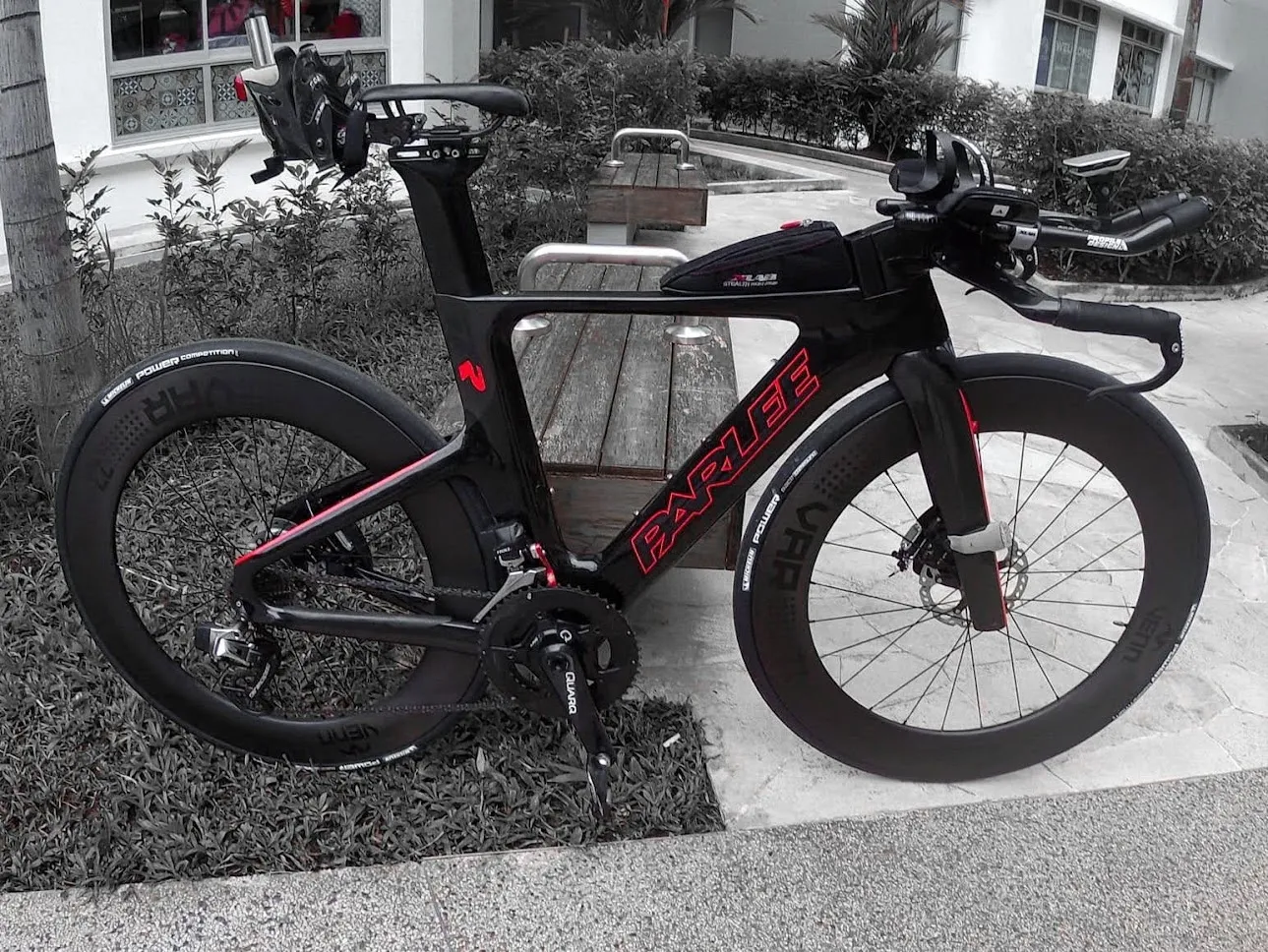
Venn Wheels grew out of Velocite Bikes, founded in 2008. In 2015 we introduced the first carbon bicycle rims wound from continuous carbon fiber and won a Eurobike Award for them. Today every Venn rim model is made to the ETRTO standard and impact tested from 100 J to 150 J, where the UCI asks 40 J, and every wheel is built by hand. This is the story behind the numbers.
From Velocite Bikes to Venn Wheels
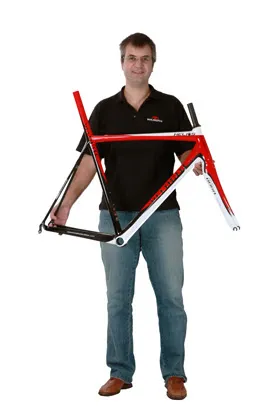
Est. 2008Velocite Bikes was founded in 2008 by Victor Major, a rider who kept meeting performance claims that did not survive measurement. Velocite took the opposite approach: publish real numbers and build products that match them. That habit of showing the data set the direction for everything that followed.
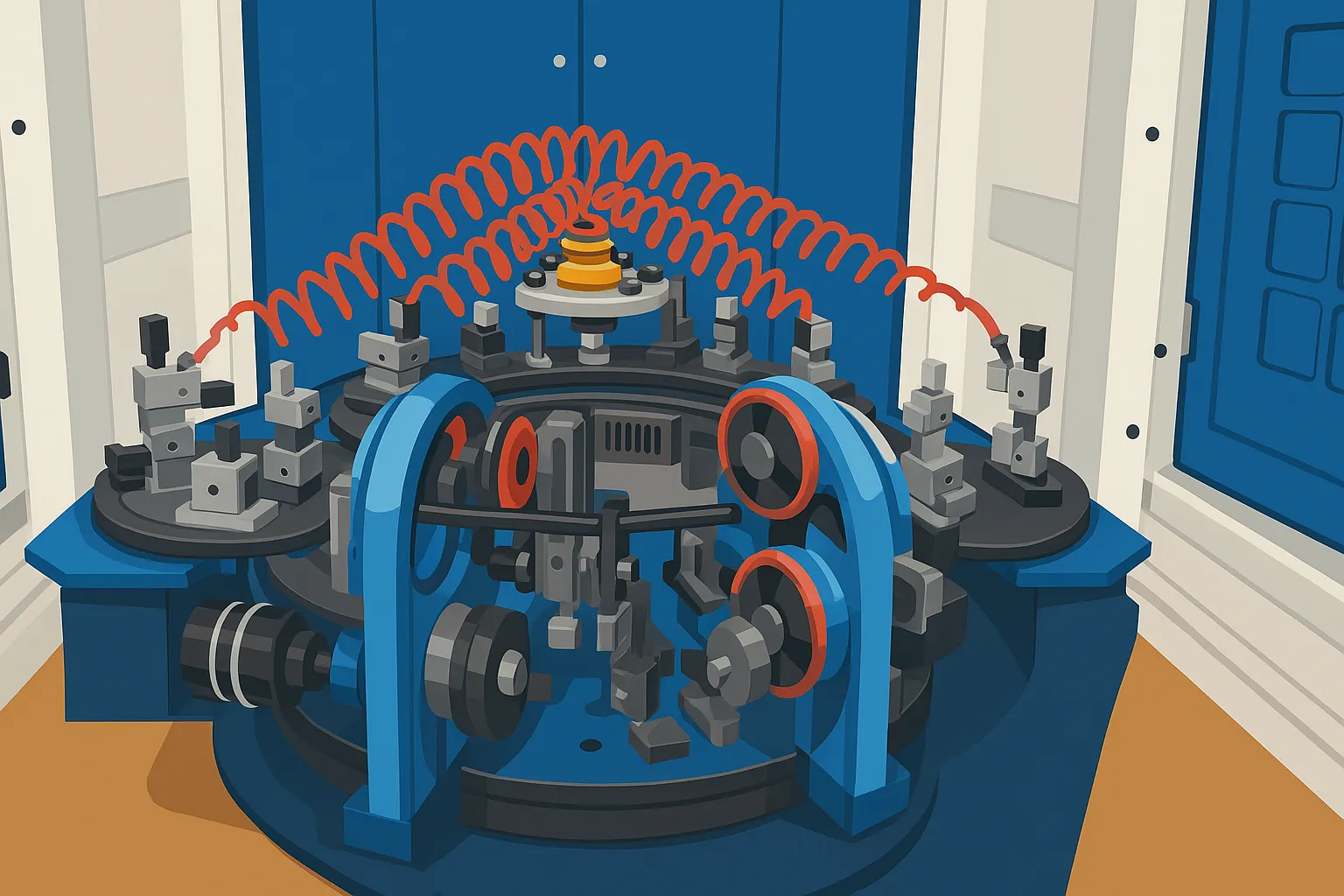
In 2015 Velocite created Venn to work on one problem: making carbon wheels better by changing how they are made. The first result was the Venn Rev 35, the first filament wound carbon bicycle rim, with computer controlled fiber placement in place of hand layup; it won a Eurobike Award that year. Taiwan granted patents for the method in 2017 and 2018 (TW I607894 and TW I634964). Venn has since added CFD and wind tunnel work, FEA laminate design and a test program of its own.
Victor Major, Founder & CEO
Operating principles
Four rules govern every product decision we make. They are why our product pages read like test reports.
Measured performance
Aerodynamics, stiffness and durability are designed to targets and verified by test. If a number matters to a rider, we measure it.
Process first
Better wheels come from better manufacturing. Filament winding, precision molding and AI assisted rim design all came from improving the process, not the brochure.
Tested before sale
Every rim model passes no fewer than 15 distinct testing steps before it can be sold, including an impact test from 100 J (the UCI requires 40 J) and X-ray batch inspection.
No unverifiable claims
If we cannot support a figure with our own data, an independent test or a published standard, we do not publish it.
What we build with
Three technologies define our wheels. Each card links to the page that documents it.
The first filament wound rims
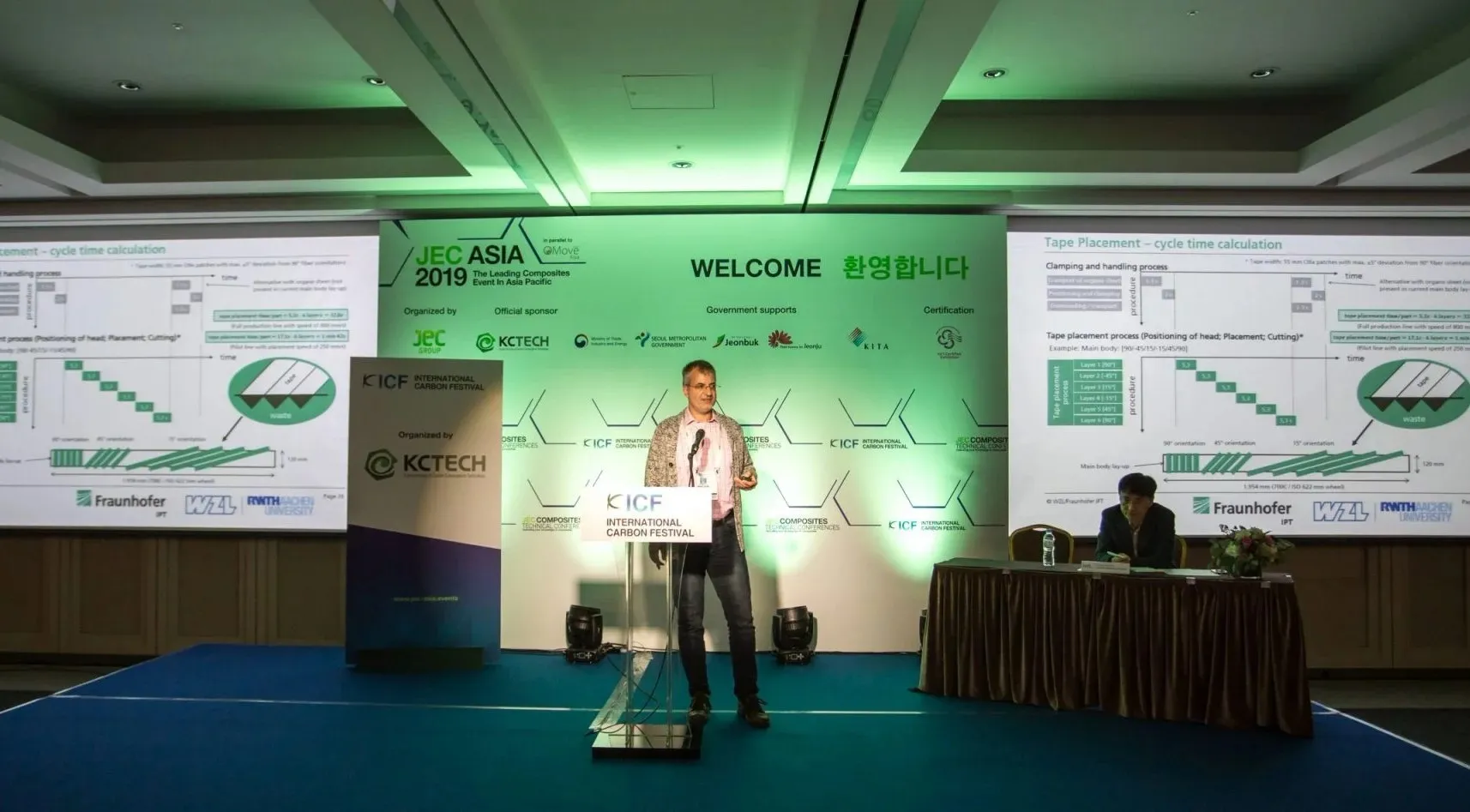
In 2015 a computer controlled process wound continuous 1k carbon tape exactly where the laminate design demanded, with uniform tension and exact resin content, and removed the variability of hand layup. The method has moved on. The obsession has not.
AI assisted rim profiles
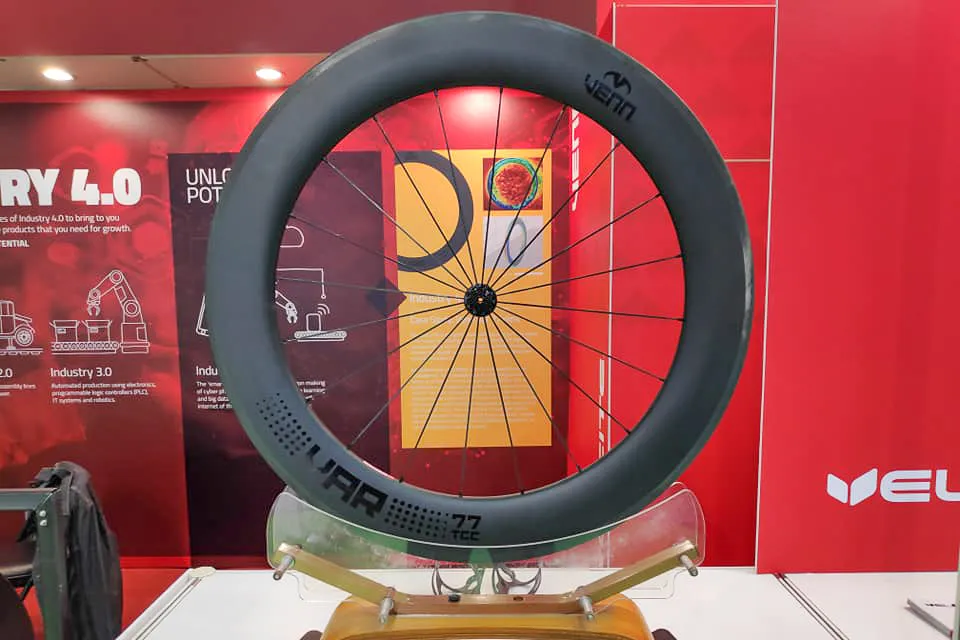
The Venn VAR 77 was the world's first carbon rim developed with AI driven aerodynamic profile design, and its speed was validated in independent wind tunnel testing. The method now informs every profile we draw.
Materials chosen by data
Our rims are laid up accurately and preformed to net shape, for precise fiber placement and a clean finish. Rim brake models use a custom high-Tg resin that withstands braking temperatures up to 240 °C, characterized in our own DMTA testing.
15 testing steps per rim model
Consistency is built in during manufacturing and then verified anyway. Every rim model passes no fewer than 15 distinct testing steps before sale, and our impact pass marks, from 100 J, go well beyond the 40 J the UCI requires.
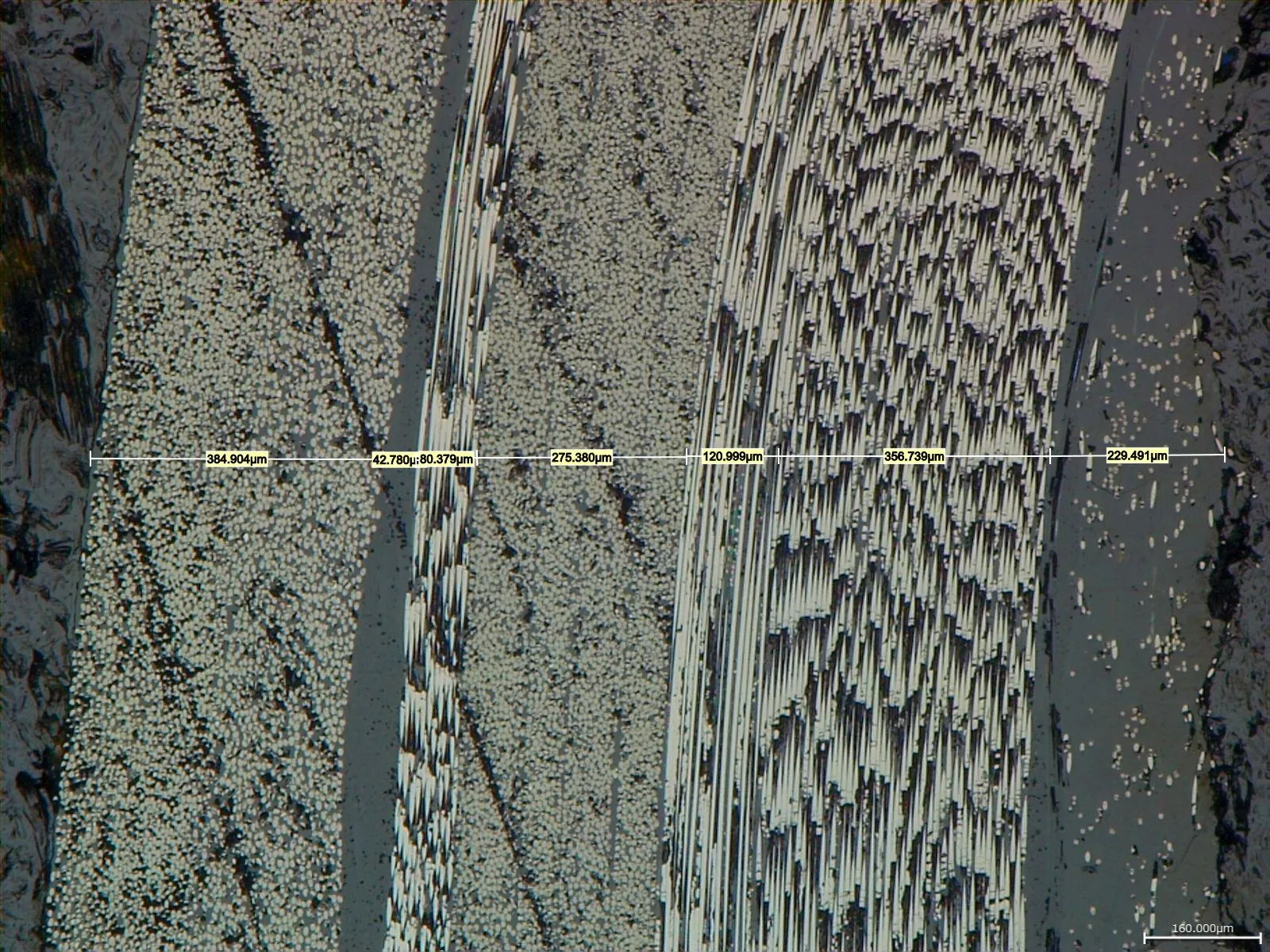
Venn Cycling Quality Control Laboratory
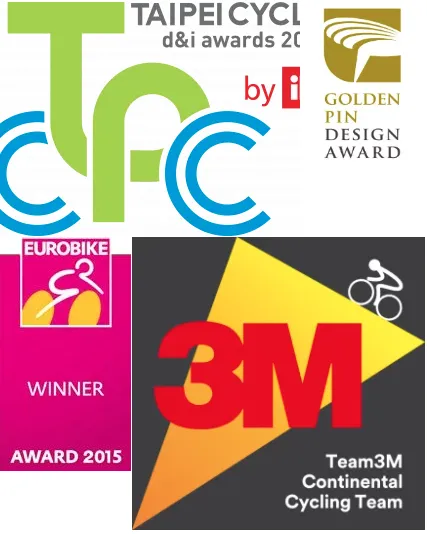
Industry recognition
The awards below are listed with the products that earned them.
Venn wheels, and the Velocite products before them, have been recognized since the first wheels shipped:
Judge us by the data
Our technology page links each core technology to the process and the tests behind it. Read the engineering, compare the numbers, then decide whether the wheels earn a place on your bike.