
Advanced Materials Science
At the core of every Venn wheel lies a precisely engineered composite structure, born from rigorous material selection and cutting-edge research.
Engineered for Performance, Built to Last
Our approach to materials is driven by engineering fundamentals, not marketing trends. We select and combine fibers and resins to achieve specific performance targets: balancing stiffness, strength, impact resistance, and long-term durability. The goal isn't just to use the 'latest' material, but to use the right materials in the right way to create the best possible wheel system.
Carbon Fiber Technology
We utilize a carefully selected blend of premium Toray carbon fibers, each chosen for its specific properties and strategically placed within the rim laminate:
Note on T1100 & Laminate Design:
While we occasionally utilize ultra-high tensile strength fibers like Toray T1100 for specific projects requiring maximum tensile performance (e.g., ultra-light builds), it's crucial to understand that material choice alone doesn't guarantee performance or durability. The overall stiffness and longevity of a rim are primarily determined by the laminate design: the thickness, orientation, and combination of fiber layers. Simply making a rim solely from T1100 without adequate structural build-up can lead to excessive flexibility or premature failure modes like delamination. Our focus is always on the optimal composite structure, not just marketing the highest-spec fiber name.

Microscopic view or simulation showing carbon fiber composite layers
High-Tg Resin System for Peak Performance
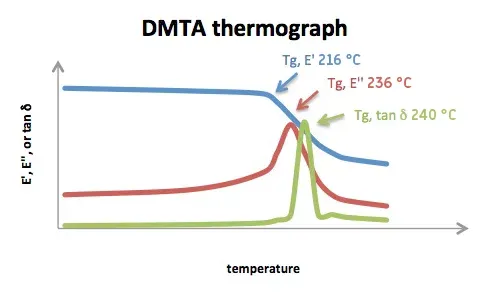
Dynamic Mechanical Thermal Analysis (DMTA) chart illustrating the resin's behavior across temperatures.
For our rim brake models, we utilize a custom-developed high glass transition temperature (Tg) resin. This advanced formulation is critical for resisting softening and maintaining mechanical integrity even under the intense heat generated during prolonged braking.
Our system demonstrates exceptional thermal stability, resisting significant loss of properties at average operating temperatures reaching up to 240°C.
It's important to understand that Tg is not a single melting point, but rather a temperature *range* over which the resin transitions from a rigid, glassy state to a more rubbery state. This transition range is scientifically characterized using methods like Differential Scanning Calorimetry (DSC) and Dynamic Mechanical Thermal Analysis (DMTA), as shown in the chart.
Real-World Safety & Usage
This high Tg characteristic, determined through rigorous analysis, provides a crucial safety margin, ensuring your rims remain safe and functional during demanding real-world use. However, optimal performance and safety always depend on using suitable, high-quality brake pads, ensuring brakes are correctly adjusted, and employing appropriate braking techniques (e.g., avoiding continuous dragging on long descents).
Rigorous Selection & Quality Assurance
Material Selection Process
Every material used in a Venn wheel undergoes a meticulous selection process based on engineering requirements:
- 01 Computational analysis (FEA) of load cases to identify stress points and optimize laminate structure (visualized below).
- 02 Material property optimization to meet strength, stiffness, and weight targets.
- 03 Environmental resistance testing (heat, moisture, UV).
- 04 Long-term durability validation through lab and field testing.
- 05 Production scale verification to ensure process consistency.
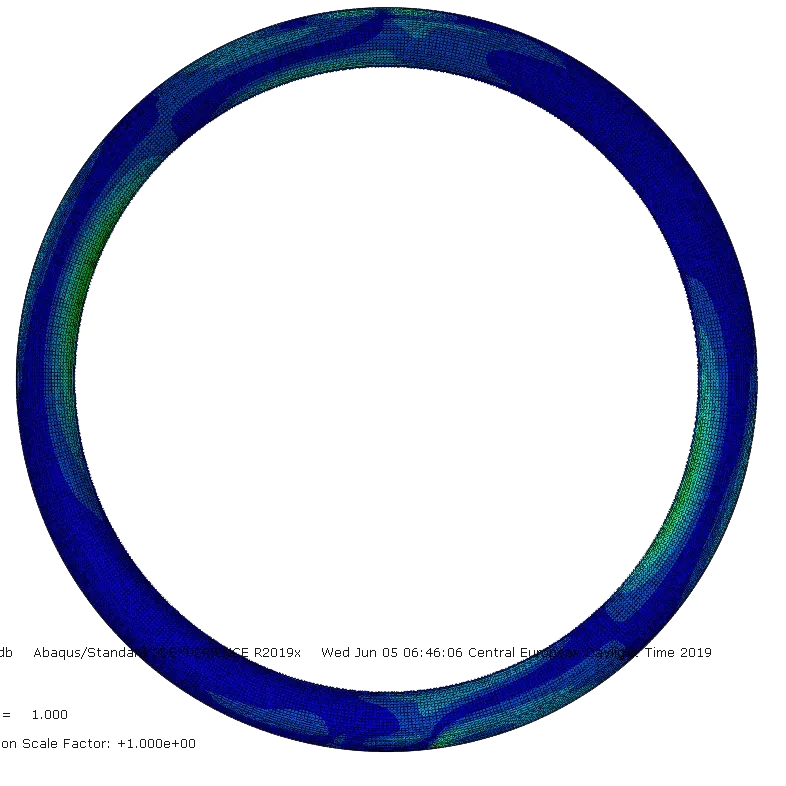
FEA helps visualize how forces are distributed through the rim structure.
Quality Control
Maintaining exceptional quality requires constant vigilance. Our materials QC includes:
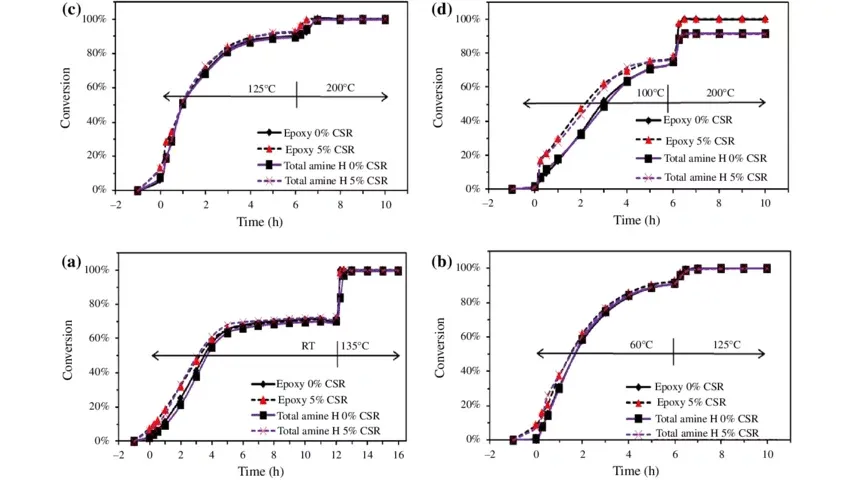
Rigorous QC checks ensure material consistency and performance.